

The Home of the Future,Today
Home automation is now built on open standards and multi‑ecosystem control. Amazon Alexa and Google Home/Nest still anchor the global control layer, while Apple Home and Samsung SmartThings have consolidated as co‑leaders thanks to broad Matter and Thread support. That shift lets mixed-brand devices work together across platforms, with hubs increasingly embedded in everyday gear like routers, speakers, and TVs (Google on Matter; eero Thread/Matter; Samsung SmartThings hubs in TVs/appliances).
How does this fit daily life? Around one‑third of Americans report owning a smart speaker, signaling a mature category for voice control (Edison Research). Streaming already accounts for roughly 38% of U.S. TV usage time, underscoring the role of smart TVs/CTV in entertainment (Nielsen). Start by picking a platform controller you’re comfortable with (Alexa, Google Home, Apple Home, or SmartThings) that supports Matter/Thread, then add devices that deliver security, convenience, and energy savings (e.g., smart thermostats average ~8% HVAC reduction per ENERGY STAR).
Home Automation: Where To Begin?
Common “first devices” remain smart speakers/displays, video doorbells, thermostats, and lights. Amazon and Google continue to lead smart‑speaker/display shipments globally, confirming their role as top controllers (Canalys; Statista). Consumers consistently cite security/safety, convenience, and energy savings as primary motivations, with rising expectations that products “just work together” across brands—an expectation now met broadly by Matter 1.3 and 1.4 (Deloitte; CSA).
Whether your first device was a classic like the Amazon Echo Plus or Google Home, or you’re buying now, prioritize controllers and devices that explicitly support Matter/Thread to minimize lock‑in and simplify setup (CSA: What is Matter).
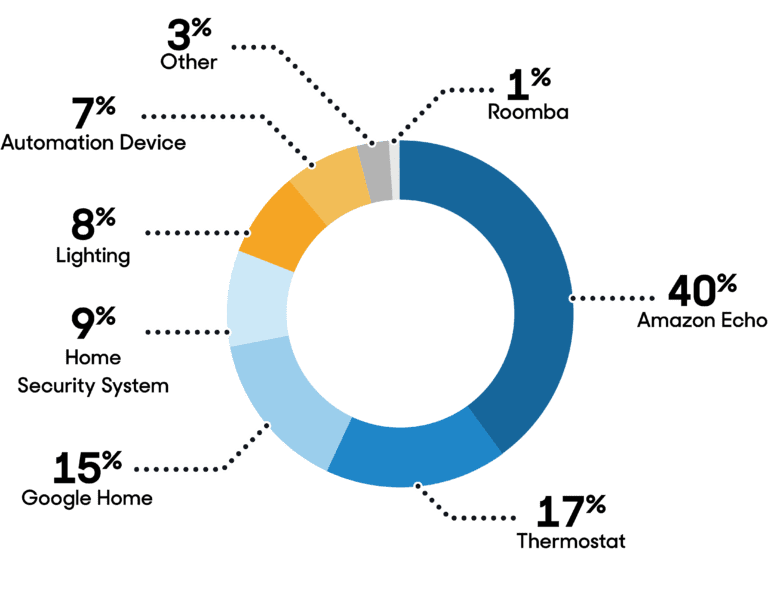
The fastest way to begin: choose a platform controller (Alexa, Google Home, Apple Home, or SmartThings) that acts as a Matter controller and, ideally, a Thread Border Router. Many modern routers and speakers now double as hubs (eero; Google Nest). We’ll help you get started.
Smart hubs and speakers
Hubs unify devices in one app and increasingly live inside mainstream products. Examples: Apple TV 4K and HomePod mini act as Home hubs with Thread; Nest Wifi Pro can serve as a Google Home Matter controller; Amazon’s Echo Hub is a dedicated wall controller with built‑in smart‑home radios; and many Samsung TVs/appliances embed SmartThings hub functions (Google; Echo Hub; Samsung SmartThings). Standards like Matter 1.4 make mixed-brand setups far easier.
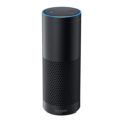
Amazon Echo PlusCheck priceGoogle
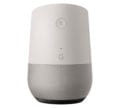
Google HomeCheck priceSamsung
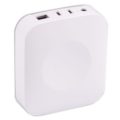
Samsung SmartThings HubCheck priceReturn to top
Smart thermostat
Smart thermostats automate schedules and occupancy adjustments and can cut heating and cooling energy use by about 8% on average when certified by ENERGY STAR. With Matter broadening climate device support (Matter 1.3), cross‑brand setups are simpler. For bigger savings, follow DOE setback guidance alongside your thermostat’s learning and geofencing features. Compare All the Best Smart ThermostatsNest

Nest Learning ThermostatCheck priceEcobee
Ecobee4Check priceEmerson
Emerson Sensi Touch WiFi ThermostatCheck priceReturn to top
Smart lights
Modern smart lighting supports schedules, sunrise/sunset automation, and circadian-friendly scenes, with broad cross‑brand compatibility via Matter and low‑power Thread networking. Mix brands more freely while keeping control in your chosen platform app. Compare All the Best Smart LightsPhilips

Philips Hue BulbCheck priceKasa

Kasa Smart Light BulbsCheck priceLifx
Robot vacuum
Robot vacuums now map rooms, avoid hazards, and integrate with your platform for scheduled or voice‑triggered cleaning. Matter’s latest updates improve standardization for cleaning robots, supporting broader, simpler control across ecosystems (Matter 1.4). Compare All the Best Robot VacuumsiRobot

iRobot Roomba 690Check priceNeato
Neato BotvacCheck priceEcovacs
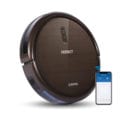
Ecovacs Deebot N79SCheck priceReturn to top
Smart plugs
Smart plugs make lamps and appliances schedulable and can reduce idle waste. The U.S. DOE estimates standby loads account for roughly 5–10% of household electricity; scheduling or switching via smart plugs (or advanced power strips) can curb much of this waste (DOE). Look for Matter support for easier onboarding and cross‑platform control (CSA). Compare All the Best Smart PlugsEtekcity

Etekcity WiFi Smart PlugCheck priceKasa
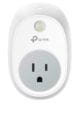
Kasa Smart WiFi PlugCheck priceTanTan
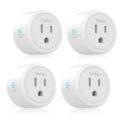
TanTan Smart PlugCheck priceReturn to top
Doorbell camera
Video doorbells alert you to visitors, enable two‑way talk, and can integrate with smart locks for controlled access. Platforms increasingly use on‑device or local analysis to reduce cloud exposure while enabling smart alerts—see HomeKit Secure Video and Nest on‑device detection. Compare All the Best Doorbell CamerasRing
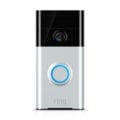
Ring WiFi Enabled Video DoorbellCheck priceNest

Google Nest Hello Video DoorbellCheck priceZmodo

Zmodo Greet Pro Smart DoorbellCheck priceReturn to top
Amazon Alexa vs. Google Assistant
Smart assistants remain central control surfaces. Roughly 35% of Americans age 12+ report owning a smart speaker (Edison), and Amazon and Google have held the top two global shipment positions through recent quarters (Canalys; Statista). Earlier adoption studies such as Voicebot.ai charted the rapid rise of smart speakers; today, the category is mature and interoperability via Matter is table stakes across ecosystems.

Both platforms are strong but differ in integration approaches. Alexa maintains a broad third‑party Skills model and deep smart‑home APIs while adding a more natural, generative‑AI experience for multi‑step requests (Amazon). Google is consolidating around Google Home APIs and Matter, streamlining legacy Assistant features and introducing Gemini as the on‑device assistant on Android (Assistant changes; Gemini; Google Home APIs).
Amazon Alexa
Alexa remains a top smart‑home controller with native Matter support, robust routines (time, presence, sensor, voice), and wide device compatibility. Amazon previewed a next‑generation, generative‑AI Alexa for more natural conversations and verbal routine creation (Amazon). Amazon’s eero routers widely deploy as Thread Border Routers/Matter controllers, effectively turning home networks into hubs (eero).
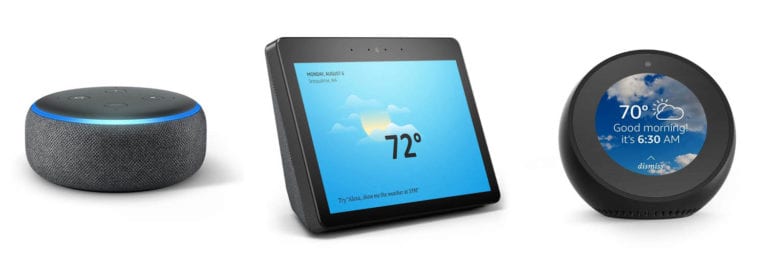
Alexa devices range from budget speakers like Echo Dot to display models like the Echo Show and Echo Spot; Alexa is also integrated across Fire TV devices and Fire 8 Tablet. Already have Alexa? Explore Amazon’s resource center.
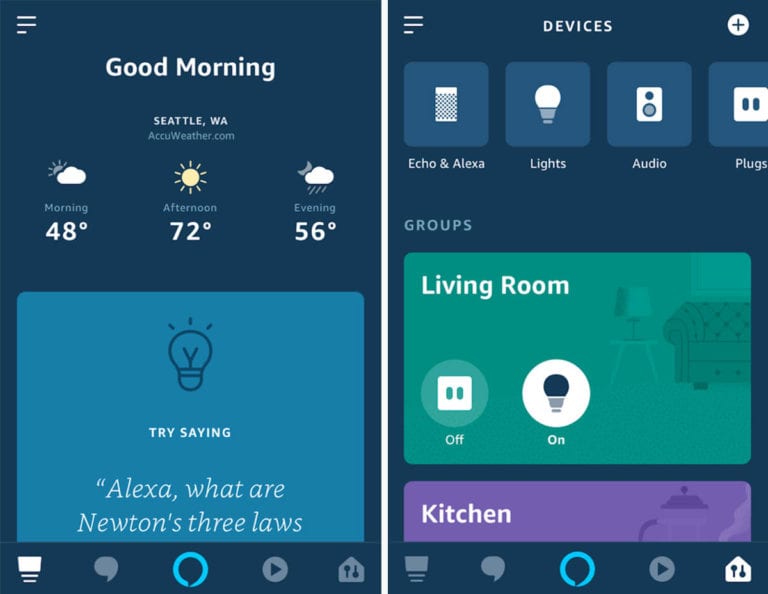
Amazon Alexa’s app
Downloadable on iOS and Android, the Alexa app controls devices, groups, and routines and supports commissioning for many devices, including Matter accessories. Features like Drop In and calling provide quick household communication.
Beyond home control, you can set reminders and lists, manage media, and create routines with time, sensor, and presence triggers. Amazon’s generative‑AI work aims to make routine creation and multi‑step requests more conversational over time (Amazon).
Alexa’s app layout is straightforward: a home feed, communications, and a Devices tab. For smart‑home onboarding, look for “Works with Alexa” or Matter badges for simpler setup (Alexa + Matter).
Amazon Alexa’s skills
Skills enable many services and device controls. Enabling the Ring video doorbell skill, for example, lets you say, “Alexa, show my front door camera.” Increasingly, device onboarding and control also flow through standards like Matter, reducing the need for separate vendor skills.
Power users can create custom experiences with Skill Blueprints. Routines let you string together tasks under a single command or schedule—lights, climate, and announcements can all run in sequence for hands‑free convenience.
Alexa also supports routines that combine multiple tasks when you say a specific phrase or at a scheduled time (for example, “Alexa, start my day”).
Google Assistant
Google’s ecosystem centers on the Google Home app with Nest devices and deep Android ties. Google continues expanding Matter and Thread support across Nest hubs and the Google Home platform and has been investing in more powerful automation tools and developer APIs (Google on Matter; Home APIs). On phones, Gemini can replace Assistant as the default for multimodal help (Gemini), while Google has streamlined lower‑usage Assistant features (changes).
Options range from compact speakers like the Google Home Mini to larger models like the Google Home Max. If you already have a Google Assistant, see Google’s help center for configuration tips.

Google Assistant’s app
The Google Assistant app integrates across Google services and devices, while the Google Home app is increasingly the smart‑home control center with routines and Matter onboarding (Google Home APIs). On Android, you can opt into Gemini for multimodal assistance (Gemini).
Queries route through Google’s ecosystem, and device control flows through Google Home. Expanded scripting and automation tools make complex routines more approachable for power users (Home APIs).
You can interact by text or voice and automate smart devices around your home with routines, checking lights or adjusting thermostats hands‑free.
Google Assistant’s actions
Like Alexa’s skills, Google Assistant’s actions enable service control, but Google has shifted developer pathways toward Matter integrations and the Google Home platform’s automation tools (Home APIs; Matter for Google Home).
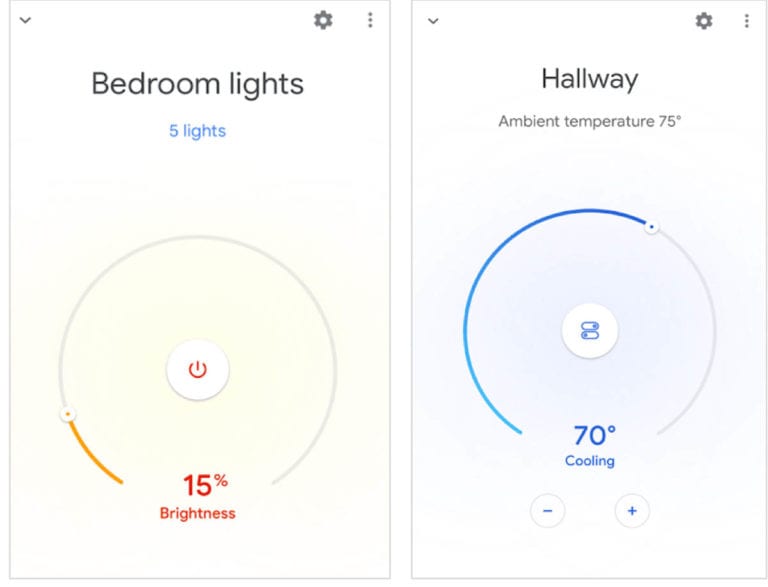
Developers and power users can build deeper automations via Google Home APIs and the script editor. For newcomers, templates and guided tools offer an easier on‑ramp to multi‑device routines.
It’s also possible to combine several actions to create multi‑step routines. Pre‑made options like “I’m home” adjust lights and thermostats, and you can schedule routines to run automatically (premade routines).
Compatible Brands: Amazon Alexa and Google Assistant
To get started, here are major brands compatible with both Alexa and Google Home. Thanks to Matter and Thread, cross‑brand compatibility is broader than ever. Apple Home and Samsung SmartThings also support many of these via Matter, with Apple TV 4K/HomePod mini and Samsung TVs/appliances serving as hubs (Google; Samsung). You can also find more on Amazon and Google compatibility pages.NestSamsung SmartThingsPhilipsSonosRingLifxSchlageKasaOnelinkVivintNeatoEmersonTanTanecobeeLGKwiksetLenovo Smart HomeWemoiRobotADT PulseHoneywellSpruce IrrigationZmodoEtekcityEcovacs Amazon AlexaGoogle Assistant
| Amazon Alexa | Google Assistant | |
|---|---|---|
| Nest | X | X |
| Samsung SmartThings | X | X |
| Philips | X | X |
| Sonos | X | |
| Ring | X | X |
| Lifx | X | X |
| Schlage | X | X |
| Kasa | X | X |
| Onelink | X | |
| Vivint | X | X |
| Neato | X | X |
| Emerson | X | X |
| TanTan | X | X |
| ecobee | X | X |
| LG | X | X |
| Kwikset | X | |
| Lenovo Smart Home | X | |
| Wemo | X | X |
| iRobot | X | X |
| ADT Pulse | X | X |
| Honeywell | X | X |
| Spruce Irrigation | X | |
| Zmodo | X | X |
| Etekcity | X | X |
| Ecovacs | X | X |
Note: Apple Home and SmartThings also support most of these categories via Matter (using hubs like Apple TV 4K/HomePod mini or SmartThings‑enabled Samsung TVs/appliances). Always check device pages for specific Matter/Thread support and hub requirements (CSA).
What About Smart Home Security?
Security is shifting toward secure, interoperable, and more private designs. Matter embeds security by design (attestation, authenticated onboarding, encryption) and favors local control over Thread/Wi‑Fi (CSA). Regulatory baselines are rising: the UK’s PSTI regime bans universal default passwords and requires vulnerability disclosure and a published support period (PSTI), and the U.S. Cyber Trust Mark labeling program aims to steer buyers toward more secure devices.
When comparing providers, weigh DIY vs. professional installation/monitoring. Brands like ADT and Vivint offer professional install and 24/7 monitoring. For lower cost and flexibility, many DIY systems and self‑monitoring options work well, and Matter can simplify device choice across ecosystems.
Smart Home Security Systems
Nest
Nest’s thermostat success grew into a broader Google Nest portfolio (cameras, doorbells, locks) that integrates in the Google Home app with Matter support. Nest emphasizes on‑device people/animal/vehicle detection on supported models to enable smart alerts while limiting cloud dependence (Nest support). Past offerings included a dedicated alarm system (Nest Secure review); today most experiences center on cameras/doorbells and automations in Google Home.
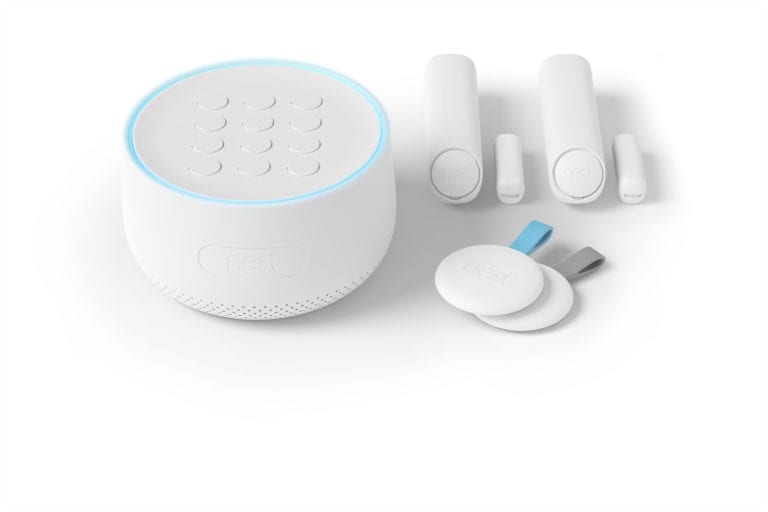
Self‑monitoring via the app works well for many homes, and Matter helps Nest gear work alongside other brands under one roof. See Nest support for additional resources.
Nest is owned by Google, making it a natural choice if you prefer Google Home and Android integrations.
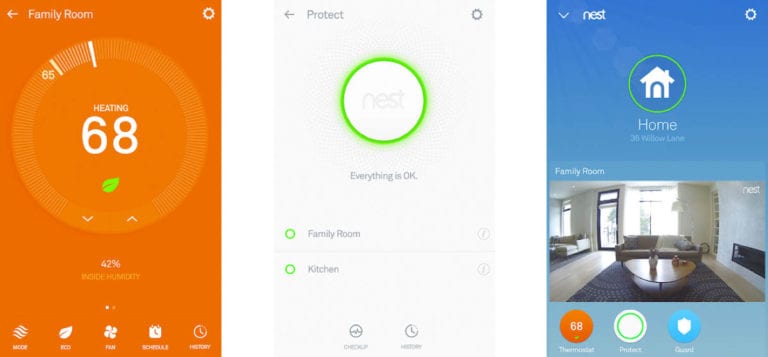
The ecosystem approach means your Nest devices can work alongside many Matter‑enabled brands in unified routines and automations.
Vivint
Vivint focuses on professionally installed smart security and automation, with a central panel, sensors, cameras/doorbells, locks, garage, and thermostat. It integrates with major voice assistants for hands‑free control and supports deep automation through its app. Professional monitoring is standard—best for homeowners wanting turnkey installation and unified control across security and comfort devices (Vivint recognition; Vivint + Google).
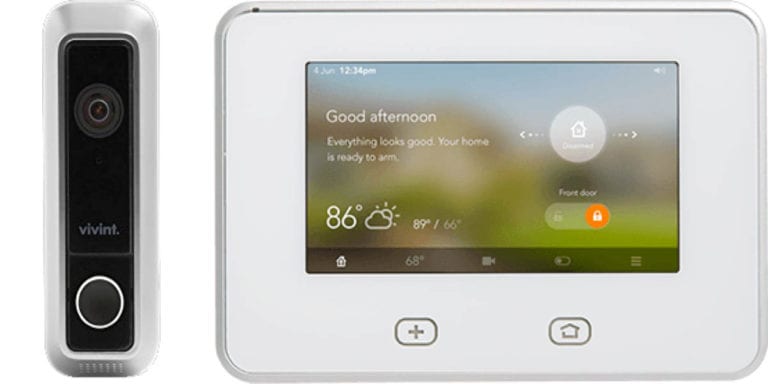
Many customers pair voice control and routines for lighting, locks, and the security system, and integrate thermostats and video for a cohesive experience.
How Do Other People Automate Their Homes?
Top drivers remain security/safety, convenience, and energy savings. Smart speakers are present in roughly 35% of U.S. households (12+) (Edison), and streaming’s ~38% share of TV usage shows how central smart TVs/CTV are to daily entertainment (Nielsen). Clear ROI categories like smart thermostats (~8% HVAC savings on average) resonate with bill payers and utilities (ENERGY STAR), while interoperability via Matter reduces friction and brand lock‑in.
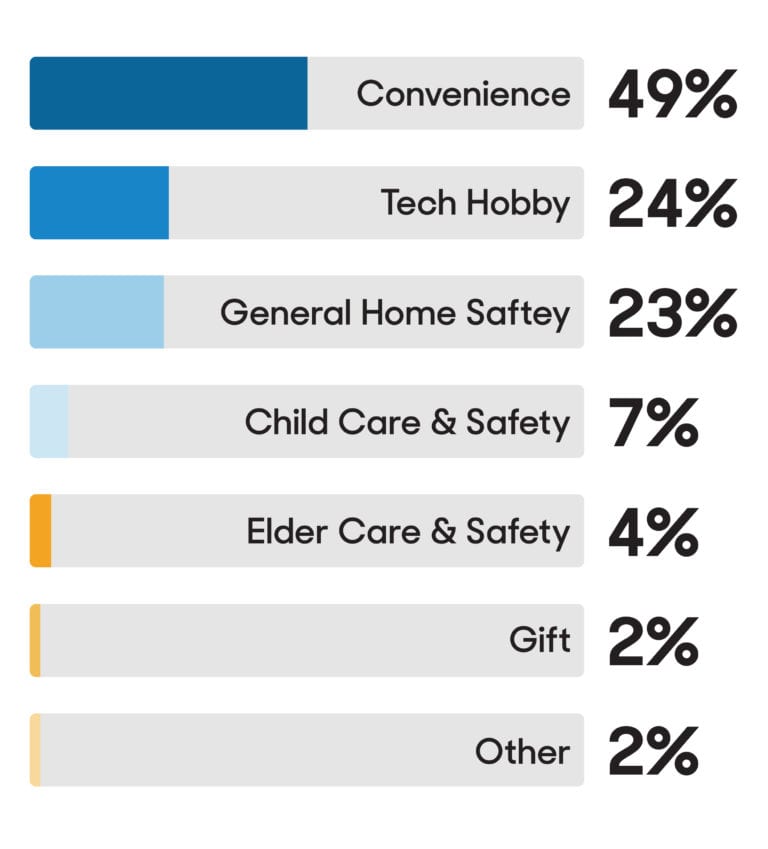
Convenience and time‑saving automations (lights, climate, locks, scenes) remain core use cases, with many households favoring reliable, event‑driven routines over one‑off voice commands (Deloitte). Insurance discounts for monitored systems can further motivate security purchases (commonly cited up to roughly 10–15% depending on insurer and features; III).
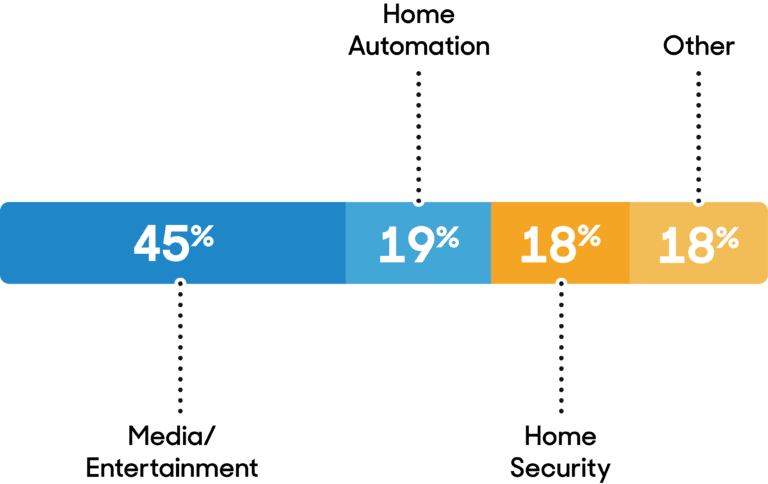
What Kind of Smart Home Tech Is Right For Me?
Decide your priorities—hands‑free scenes across lights/climate/security, stronger security monitoring, or measurable energy savings—and choose a platform controller that supports Matter/Thread for future‑proofing. For savings, start with an ENERGY STAR smart thermostat (~8% average HVAC reduction) and use DOE setback guidance; add smart plugs to target 5–10% standby loads on electronics (DOE). Prefer devices with clear security support windows or labels (e.g., U.S. Cyber Trust Mark), and leverage TV/router‑embedded hubs (e.g., SmartThings on Samsung TVs; Nest Wifi Pro; Apple TV 4K/HomePod mini; eero) for simpler onboarding (Samsung; Google; eero).


